
Blog
What Sparks' Housing Stock Means for Your Garage Door
Sparks homes mostly date from 1938 to 2003, median 1989, built for a cold, severe climate. See what that means for your garage door, spring, and opener.
How Local Conditions Play In
Most houses in this part of Nevada went up between 1938 and 2003, with the median sitting around 1989. That's a long stretch, and it covers a lot of garage door technology - from steel doors hung on loose-pin hinges to the insulated sectional panels that became common closer to 2000. If your house falls on the older end of that range, there's a good chance the door, track, or opener is original or close to it.
The service area runs out to Sun Valley (4 miles), Spanish Springs (6 miles), Mira Loma (6 miles southwest), Verdi (15 miles), Cold Springs (16 miles), Virginia Foothills (12 miles south), and Virginia City (19 miles). All of it sits in the same cold, severe winter band, so the age of the door matters as much as where it sits. A 1960s door on a side-mount torsion spring behaves differently in a hard freeze than a 1995 door on a standard extension setup, and the repair parts aren't interchangeable.
When to Get Help
A door that's slow to open on a cold morning isn't always a dying opener. Steel contracts in low temperatures, grease thickens, and springs lose a little tension - normal stuff that gets worse as the hardware ages. The signs worth a call: a door that reverses for no reason, a spring that's visibly stretched or separated, cables fraying at the drum, or an opener that grinds before it moves the door at all.
With 11,782 owner-occupied houses across the service area, we see a pattern - houses built before the late 1980s tend to have springs and openers that are on their second or third replacement cycle already, just from age and use, not from anything the owner did wrong. If your door is original to a house built in the 1940s or 50s, don't wait for a full failure in January; that's the worst time for a torsion spring to let go, and parts for some of that older hardware take longer to source than for anything built since.
What Is Going On
Cold, severe winters are hard on garage doors in a specific way: steel panels shrink slightly, weatherstripping hardens and cracks, and any door built before insulated cores were standard loses heat straight through the panel. Houses built in this area's earlier decades - the 1940s through the 1970s - often still run a single layer of steel with no thermal break, which means the garage itself runs close to outdoor temperature all winter.
That matters more than people expect, especially if the garage shares a wall with living space or holds a water heater or laundry hookup. It's not a safety issue most of the time, but it does mean the door works harder - expanding and contracting more than an insulated door would - and that cycle wears out rollers, hinges, and seals faster. We don't push insulation retrofits on every call; if the garage is unheated storage and the door still seals properly, the juice often isn't worth the squeeze. But if you're losing real heat into an attached garage, it's worth a look before another winter.
Season by Season
Fall is the time to check weatherstripping and lubricate rollers and hinges before temperatures drop - a five-minute job that saves a cold-morning call. Winter is when cold, severe conditions actually show up in the hardware: torsion springs lose tension, openers labor, and old lift cables get brittle enough to snap under load. That's the season we get the most calls for broken springs, especially on doors original to houses built before the 1990s.
Spring brings the opposite problem - moisture from melting snow and ice gets into tracks and onto springs that haven't been touched all winter, so a quick check for rust on cable and spring coils is worth doing once the thaw sets in. Summer is usually the slow season for emergency calls, which makes it the best time to deal with anything you noticed acting up back in January but didn't get around to fixing. Across the service area - from Sun Valley to Cold Springs - the pattern holds the same: winter breaks things, spring reveals what winter did, and the slow months are when it's cheapest and easiest to get ahead of it.
Questions
Common questions
Why does my garage door stick or move slowly in cold weather?
Steel panels and hardware contract in low temperatures, grease thickens, and springs lose a bit of tension. It's more noticeable on older doors - a lot of the housing stock here dates to the 1960s through 1980s, and that hardware has had decades of cold, severe winters to wear through its lubrication and seals.
Is my door old enough that I should replace it instead of fixing it?
With median household income in the service area at $102,625, replacement is often a realistic option rather than a stretch. If your door is original to a house built before the late 1980s and you're already facing a spring or opener repair, it's worth pricing a new insulated door against another round of patch fixes.
Do you add insulation to older garages?
We can talk through it, but we don't push insulation retrofits on every job. If the garage is unheated storage and the door still seals well, the cost often isn't worth it. If the garage shares a wall with living space, it's a different conversation - ask us to take a look.
How far out do you go for service calls?
We cover Sparks and the surrounding area out to Sun Valley, Spanish Springs, Mira Loma, Verdi, Cold Springs, Virginia Foothills, and Virginia City - roughly 4 to 19 miles depending on direction.
Recommendation
You Might Also Like
More garage door guides for Sparks homeowners.
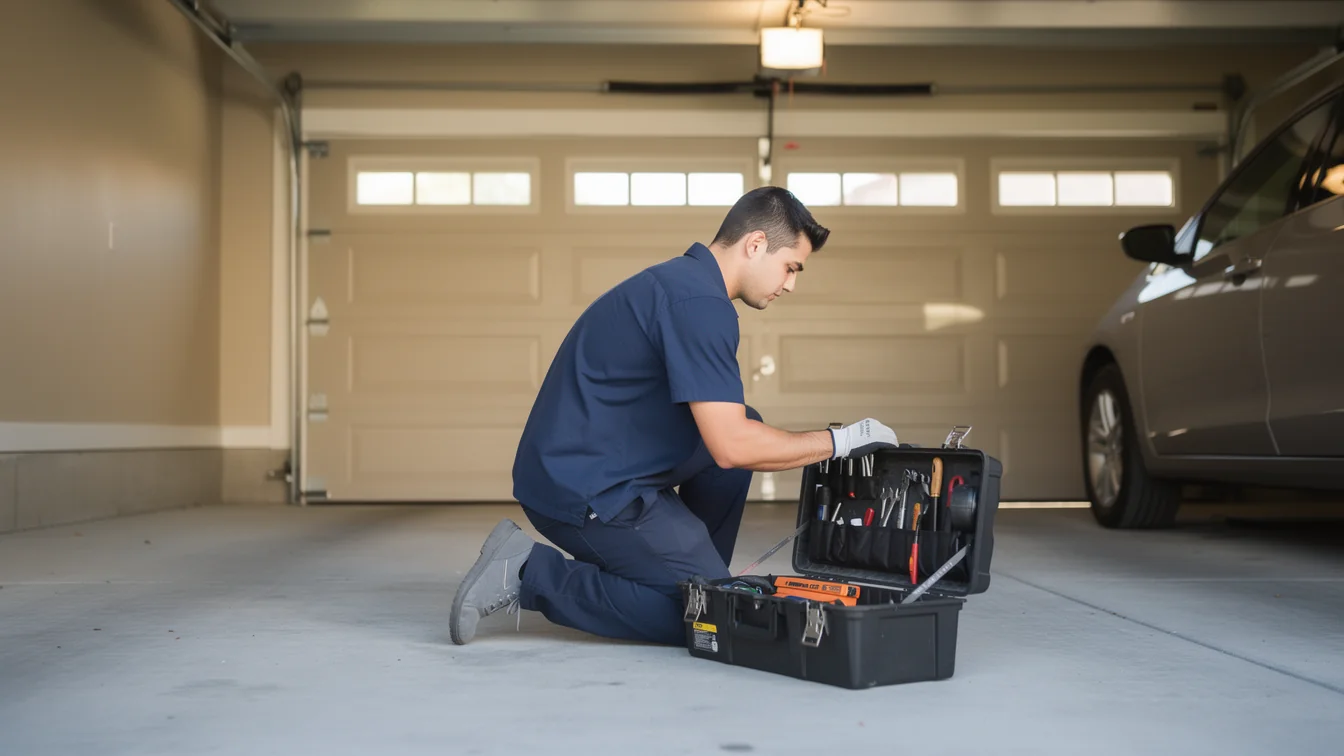 Why Sparks Garage Door Springs Fail When It Gets Cold
Houses in Sparks mostly date 1938-2003, median 1989, and sit in a cold-severe climate band.
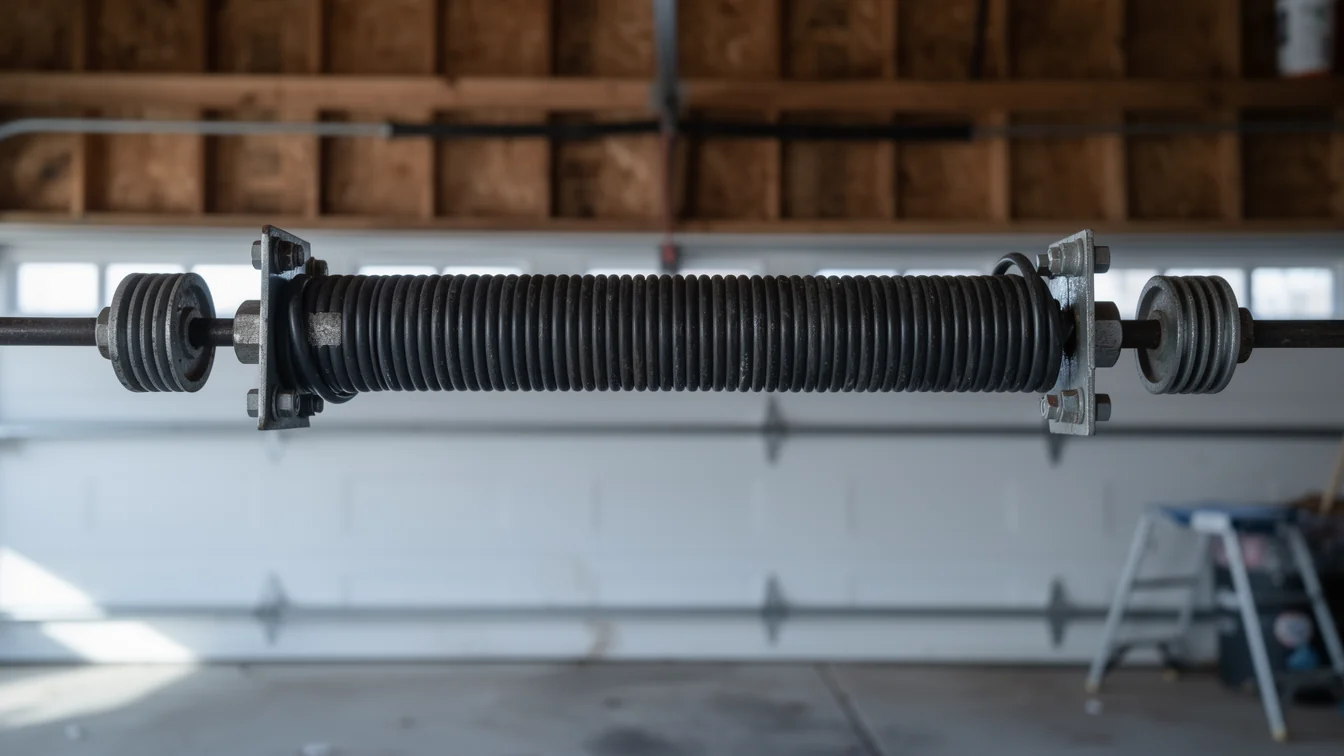 What Power Cuts Do to a Sparks Garage Door Opener
Sparks homes built mostly in the 1980s and 90s face cold power cuts that strand older garage door openers without battery backup.
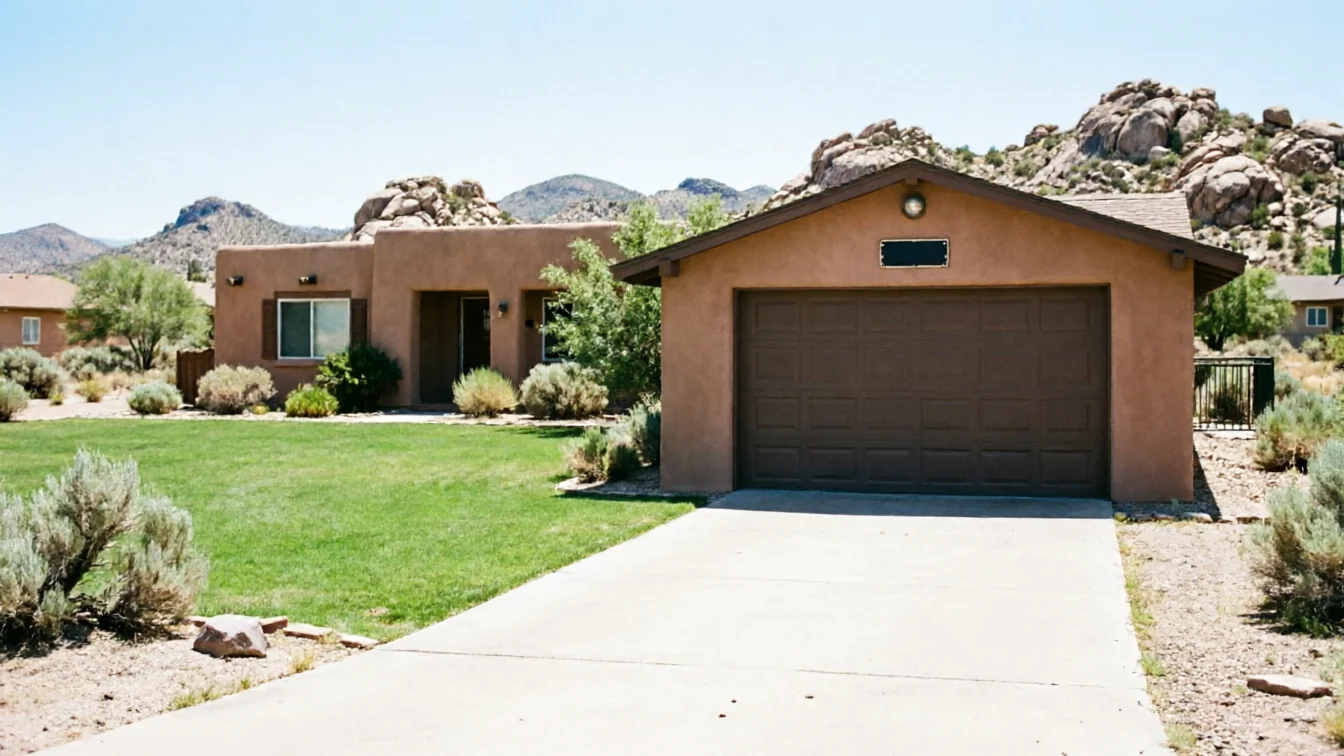 What We Actually Check on a Sparks Service Call
A look at what a Sparks garage door service call actually checks, tied to this area's 1938-2003 housing stock and severe cold climate band.
Ready when you are
Need a garage door sorted in Sparks?
Sparks Garage Door Pros repairs and installs garage doors, springs and openers in Sparks, NV and the surrounding area.