
Blog
What Power Cuts Do to a Sparks Garage Door Opener
Sparks homes built mostly in the 1980s and 90s face cold power cuts that strand older garage door openers without battery backup. Here's what to check.
How Local Conditions Play In
Most of the housing stock in this service area went up between 1938 and 2003, with the median landing right around 1989. That matters for openers because a house built in that window usually still has its original chain-drive unit, or a straight swap-in replacement wired the same way: hardwired to house power, no battery backup, no smart hub. Sun Valley, Spanish Springs, Mira Loma, Virginia Foothills, and the stretch toward Cold Springs all sit in that same 1980s-90s build era, so the same opener problems show up across all five areas, not just one street.
This region also sits in a cold, severe climate band. Outages here don't happen in isolation - they tend to come with the same winter systems that ice up tracks, stiffen torsion springs, and make a door heavier than the motor expects to lift. When the power drops during one of those events, you're not just locked out of the garage. You're locked out of it while the door itself is fighting cold-stiffened hardware, which is a worse problem than a warm-weather outage would be.
An opener from the median build year rarely came with any backup power source built in. If yours hasn't been touched since the house was built, assume it has none.
When to Get Help
Call before you force anything. If the power is out and the door won't budge even after you've pulled the manual release cord, stop - a torsion spring under load, especially one already stressed by cold, is not something to muscle by hand. That's a job for someone who can control the spring, not fight it.
If the outage is short and the door moved fine on manual release, you likely don't need a call at all. Reset the opener once power is back, check that the travel limits didn't drift, and move on. Save the call for when the opener runs but won't fully close, when the door drops fast on manual release, or when you hear a bang from the spring area - that last one especially, since a broken torsion spring on a double door is a common cold-weather failure in houses with this era of hardware.
One honest limit: if your opener is original to a house from the 1989 median build year, parts for it may simply not exist anymore. At some point a repair call turns into a replacement conversation, and we'll tell you that straight instead of patching a unit that's going to fail again next winter.
What Is Going On
Across the roughly 18,039 households in this service area, 11,782 are owner-occupied houses - most with an attached garage and an opener that was never designed around outage resilience. When the grid drops, a standard chain or belt unit just stops. No battery kicks in, no capacitor holds the motor over. The door sits wherever it was when power cut, and the only way through is the manual release, which depends on spring tension doing its job safely.
In a cold severe climate, that spring tension is already working harder than it would in a mild one. Cold steel loses some flex, grease in the rollers and track thickens, and a spring that was fine in September can bind or snap in January. Pair that with a power cut and you've got a door that's both mechanically stiff and electrically dead at the same time - a combination this area sees more than most because of its climate band.
At a median household income of $102,625, a fair number of owners in this area have already put in battery-backup openers as part of a broader upgrade. But that's a minority of the stock, not the norm, especially in houses that haven't had opener work done since they were built.
Season by Season
Fall is when to check the manual release and make sure it moves freely - not when the power's already out and you're standing in the dark trying to find it. If your opener dates to anywhere near the 1989 median build year, this is also the season to ask whether a battery-backup unit makes sense before winter storms start cutting power on their own schedule.
Winter is when the cold-severe climate and power cuts overlap most. A storm that knocks out power is often the same storm that's dropped the temperature enough to stiffen the torsion spring and thicken the track grease. This is the stretch where a stuck door on manual release is most likely, and where forcing it is most likely to go wrong.
Spring and summer are lower-risk for outages tied to weather, but they're a good window for the maintenance that got skipped during winter - lubricating rollers, checking cable wear, confirming the opener's limit settings didn't drift from all the cold-weather manual overrides. Houses across Sun Valley, Spanish Springs, Mira Loma, and Virginia Foothills built in that same 1980s-90s stretch tend to need this on a similar clock, since the hardware aged in the same conditions.
Questions
Common questions
Does my garage door opener have a battery backup already?
Check the opener head unit for a battery compartment, usually a small box next to or below the motor housing. Units installed as original equipment in houses from the 1980s-90s build era in this area almost never had one. If you're not sure, look for a model and year on the unit itself or ask for a check next time you need service.
Why does my door feel harder to open by hand during a winter power cut?
Cold stiffens the torsion spring and thickens grease in the track and rollers, so the manual release has more resistance to overcome than it would on a mild day. In this climate band, a power cut in winter is usually also a cold-weather cut, which is why the manual pull can feel noticeably harder than it did in summer.
Is it worth replacing an opener from the 1980s or 90s instead of repairing it?
Often yes. Parts for openers that old are getting hard to source, and a unit that age has no battery backup and no modern safety sensors. If yours is failing and dates to that original build era, replacement usually costs less over time than repeated repair calls on a unit nearing the end of its life.
What should I do the moment the power goes out and I need the garage?
Find the manual release cord - usually a red handle hanging from the opener rail - and pull it to disengage the door from the motor. Then lift the door by hand. If it won't move smoothly or you hear noise from the spring area, stop and call instead of forcing it.
Recommendation
You Might Also Like
More garage door guides for Sparks homeowners.
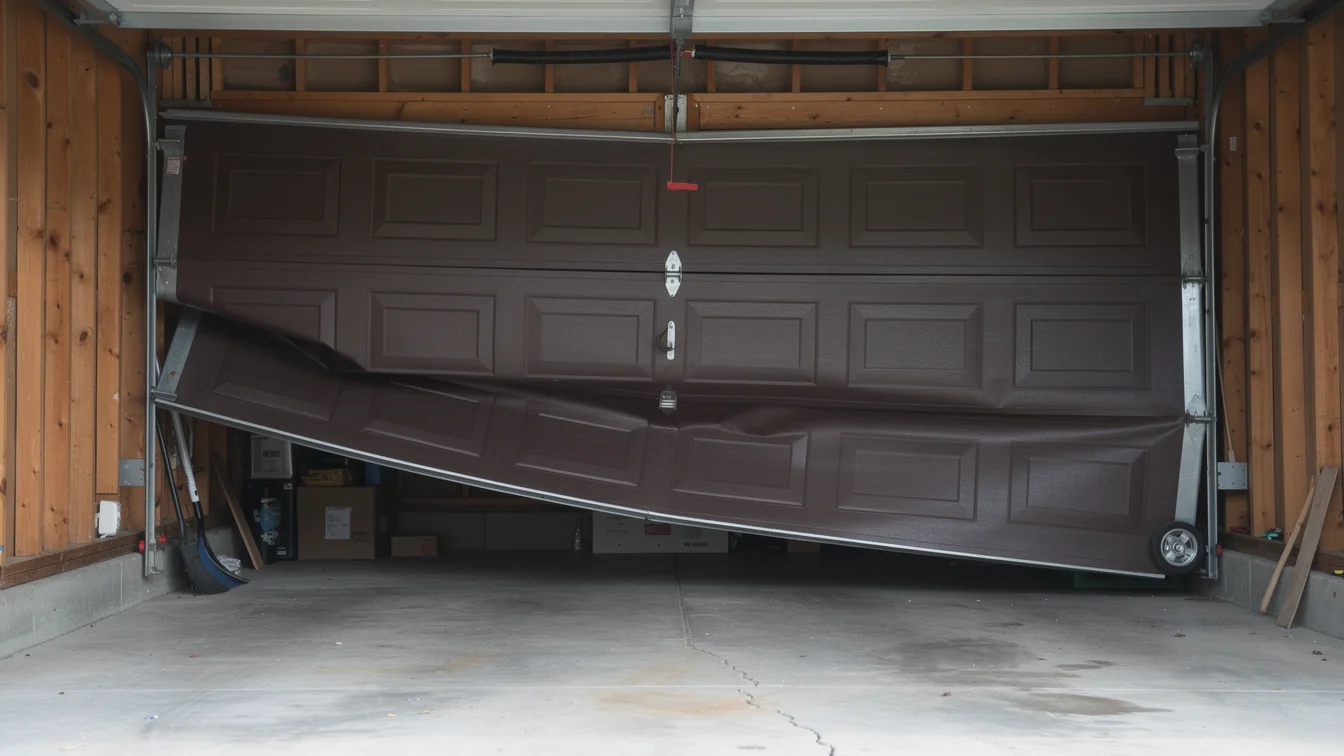 What Sparks' Housing Stock Means for Your Garage Door
Sparks homes mostly date from 1938 to 2003, median 1989, built for a cold, severe climate.
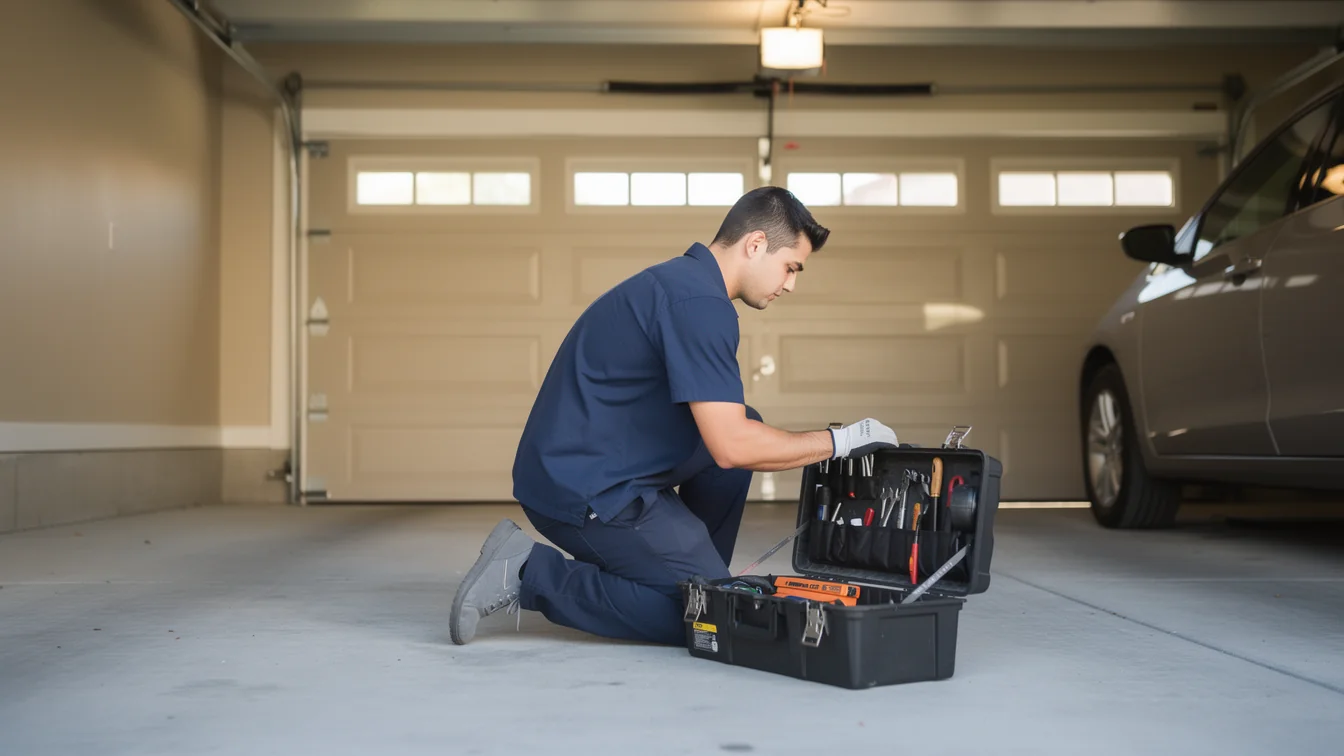 Is Your Old Garage Door Worth Fixing, or Time to Replace It
Most Sparks homes date to 1938-2003, and the cold winters here wear out springs and seals fast.
Why Sparks Garage Door Springs Fail When It Gets Cold
Houses in Sparks mostly date 1938-2003, median 1989, and sit in a cold-severe climate band.
Ready when you are
Need a garage door sorted in Sparks?
Sparks Garage Door Pros repairs and installs garage doors, springs and openers in Sparks, NV and the surrounding area.