
Blog
What We Actually Check on a Sparks Service Call
A look at what a Sparks garage door service call actually checks, tied to this area's 1938-2003 housing stock and severe cold climate band.
How Local Conditions Play In
Most of the houses we work on in Sparks went up between 1938 and 2003, with the bulk of that stock dating to the late 1980s and 90s across the five main pockets of town. That matters because a door and opener installed in 1989 is pushing 35 years of cycles on its springs, rollers, and cable drums - well past the point where "it still opens" tells you anything about condition. Add in the severe cold climate band Sparks sits in, and you get a second layer of wear that owners in milder places don't deal with: steel contracts in freeze-thaw swings, lubricant thickens, and weatherstripping rated for a different zone cracks faster than the door itself. On a service call we're not just checking if the door goes up and down. We're checking whether the hardware matches the house's age and whether the cold has already done damage that isn't obvious yet - a torsion spring with hairline fatigue, a bottom bracket with surface rust starting under the paint, an opener logic board that's been cycling through temperature swings it wasn't built for. None of this shows up from the driveway. It shows up when we put a hand on the spring, check cable wind, and run the opener's force settings against what the door actually weighs now, not what it weighed new.
When to Get Help
Call before the door fails all the way, not after. On houses built in the 1980s and 90s - which describes most of what we see in Sparks - the warning signs are usually mechanical and specific: a torsion spring that's visibly stretched with a gap between coils, a door that reverses on its own mid-close, cables that look frayed where they wrap the drum, or an opener that strains and groans before it moves the door at all. In a severe cold climate, add one more: a door that's noticeably harder to lift on the coldest mornings than it was in summer. That's not your imagination - it's spring tension changing with temperature on hardware that's already near the end of its service life. We don't recommend waiting until a cable snaps or a spring lets go, because both of those can happen with the door half-open and someone standing under it. If your door is original to a house built before the mid-90s and you've never had the springs replaced, that alone is worth a call, independent of any other symptom. One honest limit: we can tell you a lot from a phone description, but spring wind, cable wear, and opener force settings need an in-person look before we'll quote a fix.
What Is Going On
A real service call in Sparks starts with the springs, because that's where age and climate do the most damage on houses from this era. We count coils, check the wind direction, and look for the kind of metal fatigue that doesn't show as rust but as a spring that's lost its original tension - common on torsion systems original to 1980s and 90s builds. From there we check the cables and drums, the rollers (plastic rollers from that era are usually brittle by now), and the track alignment, since decades of thermal expansion and contraction in a severe cold climate can walk a track out of true a few degrees at a time. Then the opener: force settings, limit settings, and whether the logic board is responding correctly or has started lagging - a common symptom once an opener's been through enough winters. We test the auto-reverse safety function every time, no exceptions, because that's the one system that matters most if it fails. What we don't do is replace parts that don't need it. If a 1989-era spring still has life left and even tension, we'll say so instead of selling a full respring job nobody asked for.
Season by Season
Sparks' severe cold climate band means the door's mechanical stress isn't flat across the year. Late fall through winter is when steel springs and cables are coldest and stiffest, which is also when original hardware on older homes is most likely to show a crack or a snap - the metal has the least give right when the morning temperature swing is largest. We see more spring failures and opener strain calls in that stretch than any other. Spring and early summer bring the opposite problem: as temperatures climb, metal that's spent months contracted starts moving again, and that's when loose hardware - bolts, brackets, track sections - tends to reveal itself with new rattles or a door that's drifted slightly off its rails. For a house built in the median 1989 range, a once-a-year check timed for early fall, before the worst cold hits, catches most of what a severe winter would otherwise turn into an emergency call. We're not going to tell you every door needs quarterly attention - most don't. But if your hardware is original and your house falls into that 1938-2003 build window common across Sparks, one seasonal check before winter is worth more than a stack of general maintenance tips.
Questions
Common questions
How old does my garage door have to be before the springs are a real concern?
If your house was built in the 1980s or 90s - common across Sparks - and the springs have never been replaced, that's reason enough to have them checked, regardless of symptoms. Torsion springs have a rated cycle life, and original hardware from that era is generally well past it, especially after years of severe cold swings.
Does cold weather actually affect my garage door that much?
Yes. Sparks sits in a severe cold climate band, and steel contracts in freeze-thaw swings enough to change spring tension, stiffen lubricant, and crack aging weatherstripping. A door that's noticeably harder to lift on cold mornings compared to summer is showing a real mechanical change, not just a feeling.
What does a service call actually include?
We check spring tension and coil condition, cable and drum wear, roller and track alignment, and opener force and safety-reverse settings. On older homes we pay close attention to whether the hardware still matches what the door needs - a lot of 1980s and 90s installs are carrying original parts that have outlived their rated life.
Is it ever not worth repairing an old door?
Sometimes. If a door original to a house from the 1980s or earlier has multiple worn systems at once - springs, cables, and a failing opener together - replacement can cost less over time than a string of individual repairs. We'll tell you straight if that's where your door is instead of patching it repeatedly.
Recommendation
You Might Also Like
More garage door guides for Sparks homeowners.
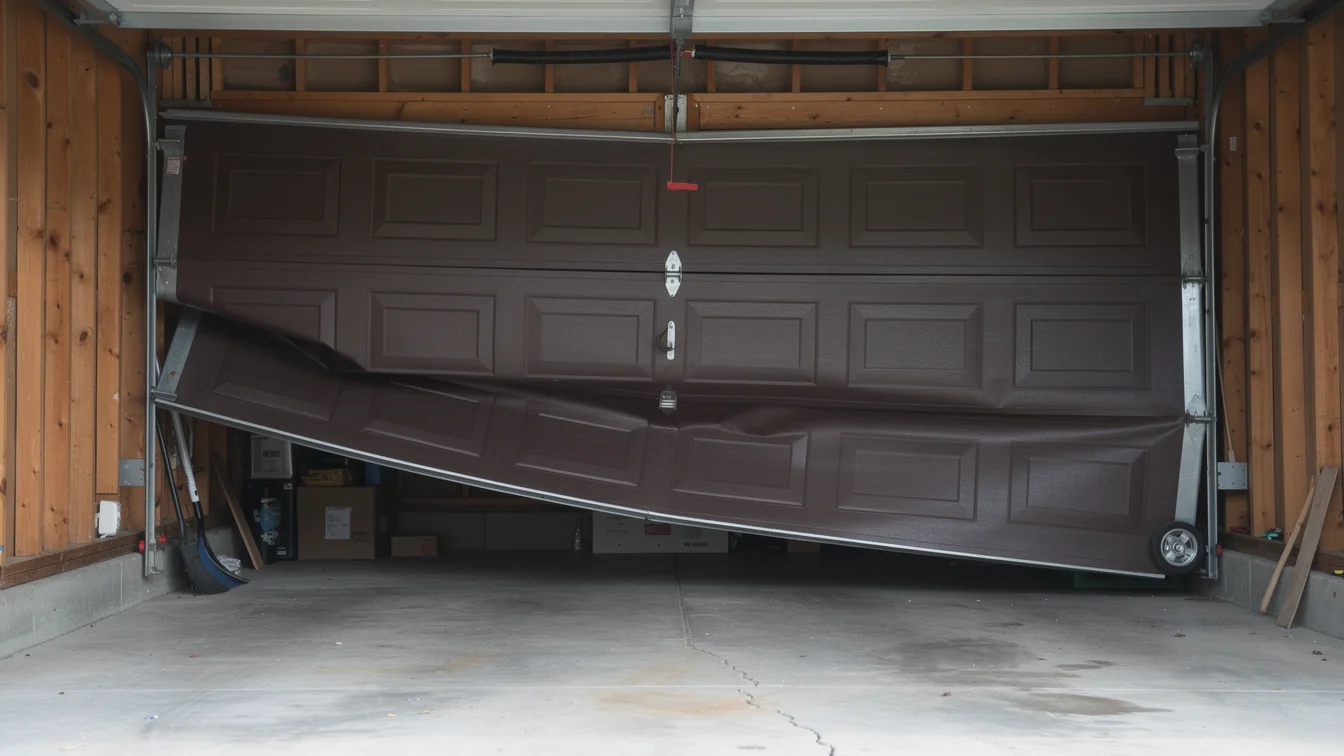 What Sparks' Housing Stock Means for Your Garage Door
Sparks homes mostly date from 1938 to 2003, median 1989, built for a cold, severe climate.
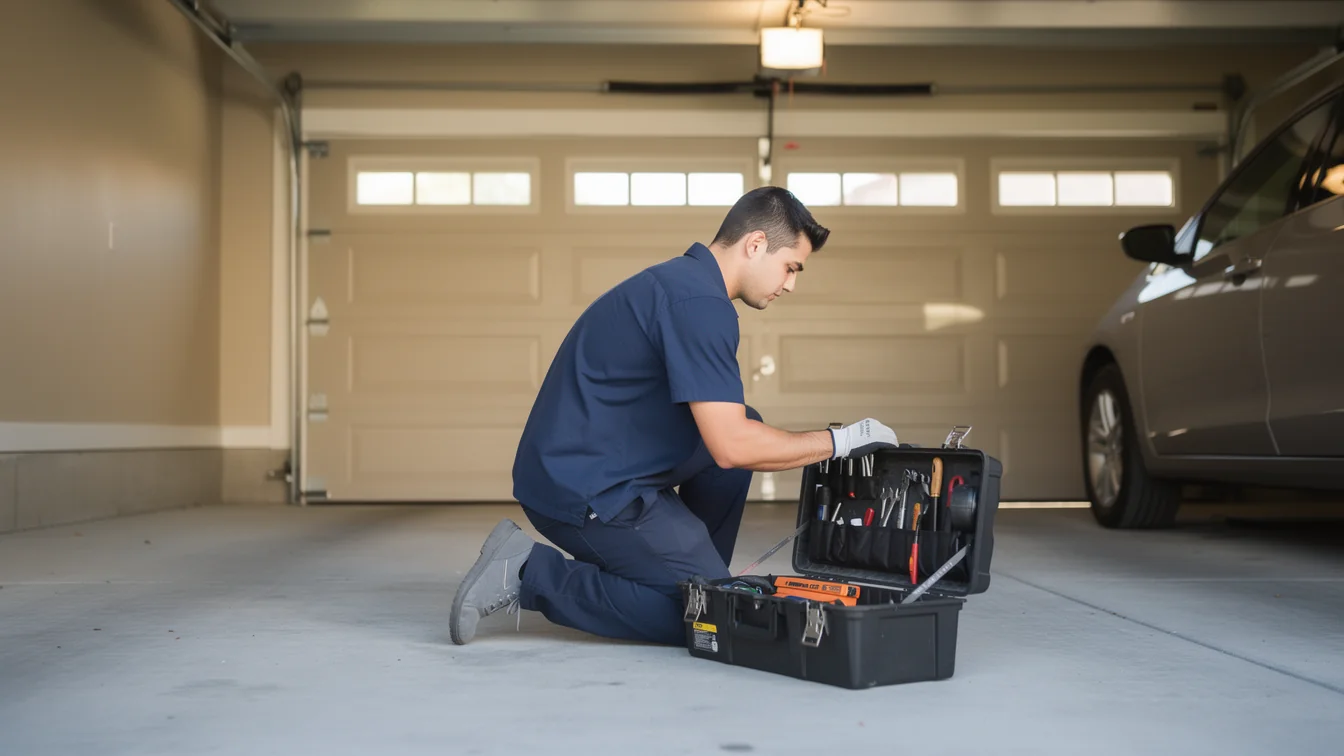 Why Sparks Garage Door Springs Fail When It Gets Cold
Houses in Sparks mostly date 1938-2003, median 1989, and sit in a cold-severe climate band.
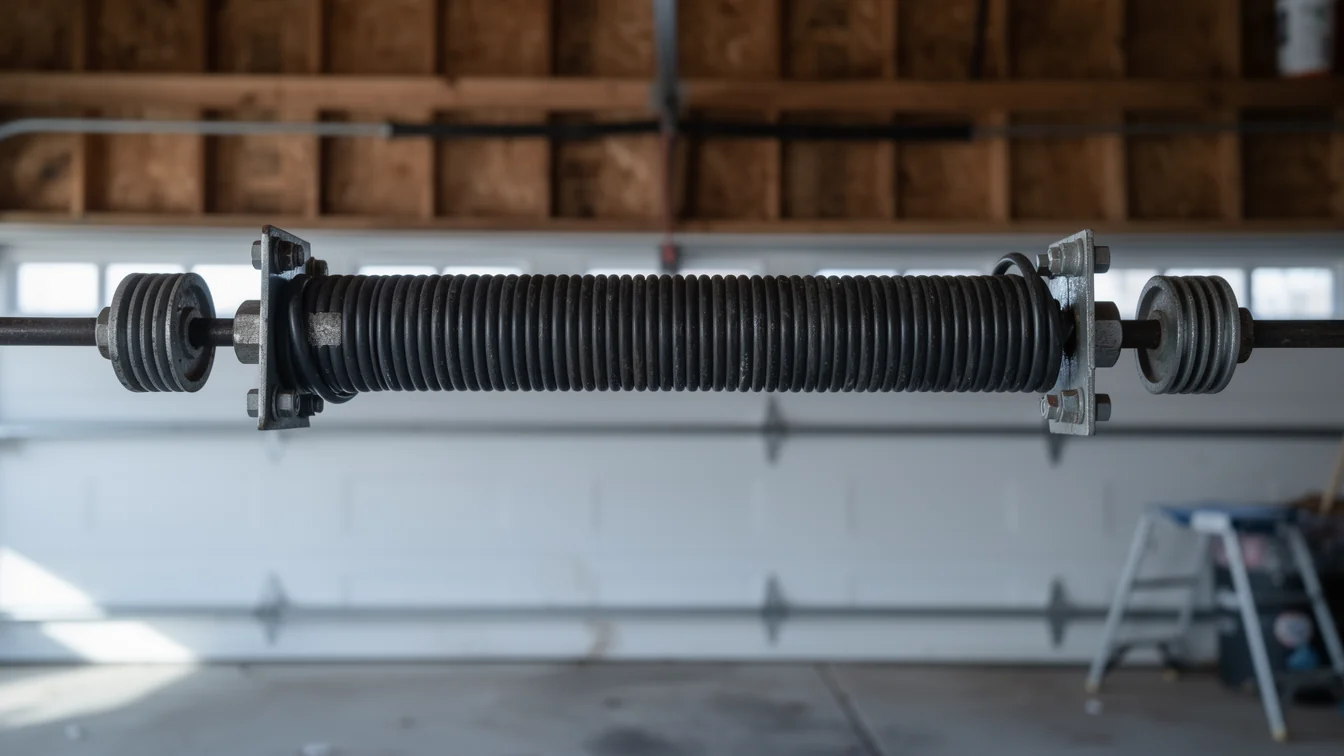 What Power Cuts Do to a Sparks Garage Door Opener
Sparks homes built mostly in the 1980s and 90s face cold power cuts that strand older garage door openers without battery backup.
Ready when you are
Need a garage door sorted in Sparks?
Sparks Garage Door Pros repairs and installs garage doors, springs and openers in Sparks, NV and the surrounding area.